
The rural history of Campos is still present in its traditional crafts, customs and local festivities. Every autumn, the Fira d’Octubre brings together some of these traditions, preserving the town’s connection with its past.
The History of the Fira d’Octubre de Campos
The origins of the Fira d’Octubre de Campos are closely linked to the agricultural calendar and the preparations for traditional family pig slaughtering during autumn and winter.
A Fair Born from Traditional Pig Slaughtering
The traditional fair was first held in 1911 and originated in the preparations for the seasonal pig slaughter. Around the festival of les Verges, the people of Campos would visit the fair to buy the utensils and spices needed for the slaughtering activities in the following months.
The fair originally served a practical purpose. This explains its strong association with traditional pork products, a character that can still be seen in the goods on display and its connection with local gastronomy.
From Rural Market to Popular Celebration
Over time, the market began to share the spotlight with other activities. Today, the fair features cultural displays, handicrafts, exhibitions and re-enactments of scenes from earlier times. The programme runs over several days, bringing residents and visitors together for a celebration that continues to hold an important place in Campos’ annual calendar.
Local Products, Handicrafts and Traditional Trades
The Fira d’Octubre de Campos maintains its connection with local production and the traditional trades that have long been part of everyday life in the town.
Sobrassada and Traditional Pig Slaughter Products
Sobrassada holds a prominent place thanks to its connection with traditional pig slaughtering and Mallorca’s culinary heritage. Alongside it, other cured meats such as botifarrons, camaiot and blanquets are part of a gastronomic culture passed down from generation to generation. Popular dishes such as frito mallorquín can also be found.
These products recall the importance of traditional pig slaughtering in family life and in preparing food for the colder months. Their presence at the fair preserves the link with the rural customs from which the celebration originated.
Handicrafts and the Memory of Traditional Trades
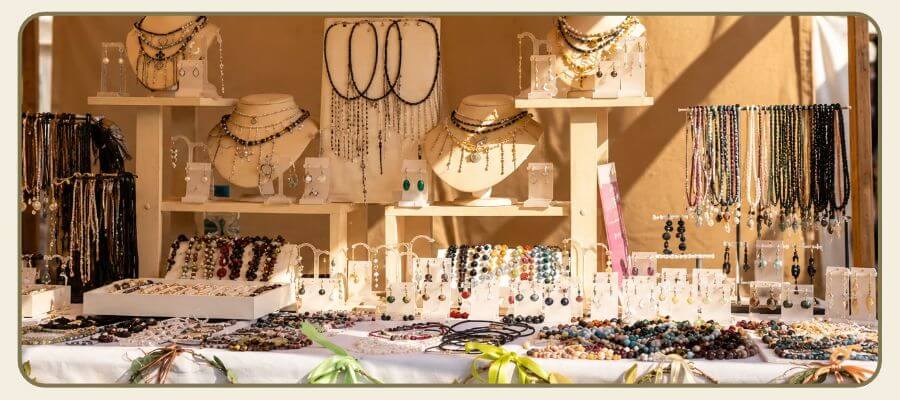
The fair also showcases traditional craftsmanship and products made in Mallorca. Stalls may feature jewellery, candles, traditional textiles, cheeses and wines from local producers. Displays of traditional trades and re-enactments of scenes from earlier times offer visitors a glimpse into occupations and ways of life that have changed over the years.
The Mercadet de la Reina and Convent-Made Sweets
One of the fair’s most distinctive spaces is the Mercadet de la Reina, dedicated to Esclarmonda de Foix, Queen Consort of Mallorca. Visitors can find sweets made in the kitchens of religious communities across the island, including the Convent de les Missioneres dels Sagrats Cors in Campos, the Monestir de Santa Clara and the Monestir de Santa Maria Magdalena in Palma, as well as the Santuari de Nostra Senyora de Cura in Randa.
The market also revives traditional recipes associated with religious communities that once had a presence in Campos, including Franciscan nuns, the Minims and the Carmelites of Font Santa. These creations preserve part of the island’s culinary heritage and keep recipes connected with its history alive.
The Dimonis of Campos and the Correfoc Tradition
The dimonis have been part of Mallorca’s popular festivities for centuries, with roots in medieval theatrical performances. In Campos, this tradition has its own dedicated group.
The Esbart de Dimonis del Centre Cultural
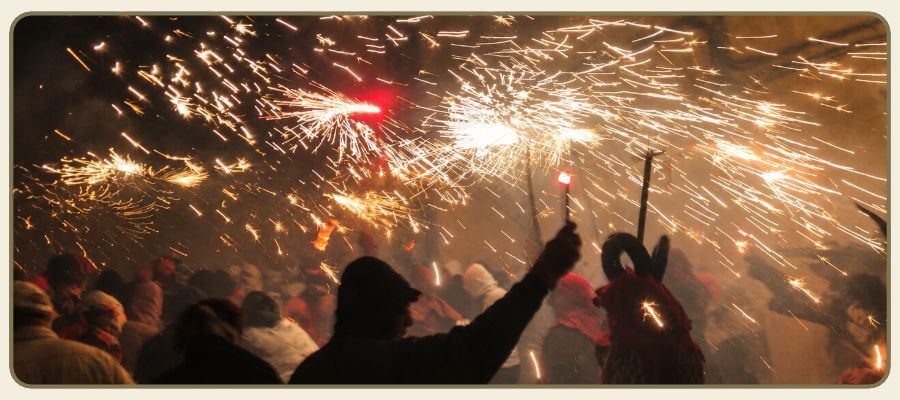
In Mallorcan popular culture, the dimonis represent evil, temptation and mischief. Their appearances combine jokes and dancing accompanied by percussion and fire, particularly during correfocs, traditional street celebrations featuring fireworks.
In Campos, the Esbart de Dimonis del Centre Cultural was founded in 2002. Its figures and masks were created by sculptor Marià Portas, giving the dimonis of Campos their own distinctive identity.
S’Endimoniada, Fire in the Streets
S’Endimoniada is the correfoc performed by the Dimonis of Campos. During this nighttime spectacle, the dimonis parade through the streets carrying pitchforks fitted with pyrotechnics that shower sparks as they move.
Experiencing the Fira d’Octubre from Sa Creu Nova
The fair offers an opportunity to discover Campos through its traditions and popular culture. After exploring the streets, the hotel’s peaceful atmosphere provides a relaxing end to the day, away from the bustle of the festivities.
The Special Menu at Tess de Mar
For the occasion, Tess de Mar has created a special menu inspired by traditional Mallorcan recipes and reinterpreted through the contemporary cuisine of chef Miquel Vila. Local traditions and seasonal ingredients shape a menu designed especially for the fair, available alongside the restaurant’s regular menu.
Taking a seat at Tess de Mar is another way to discover Mallorca.